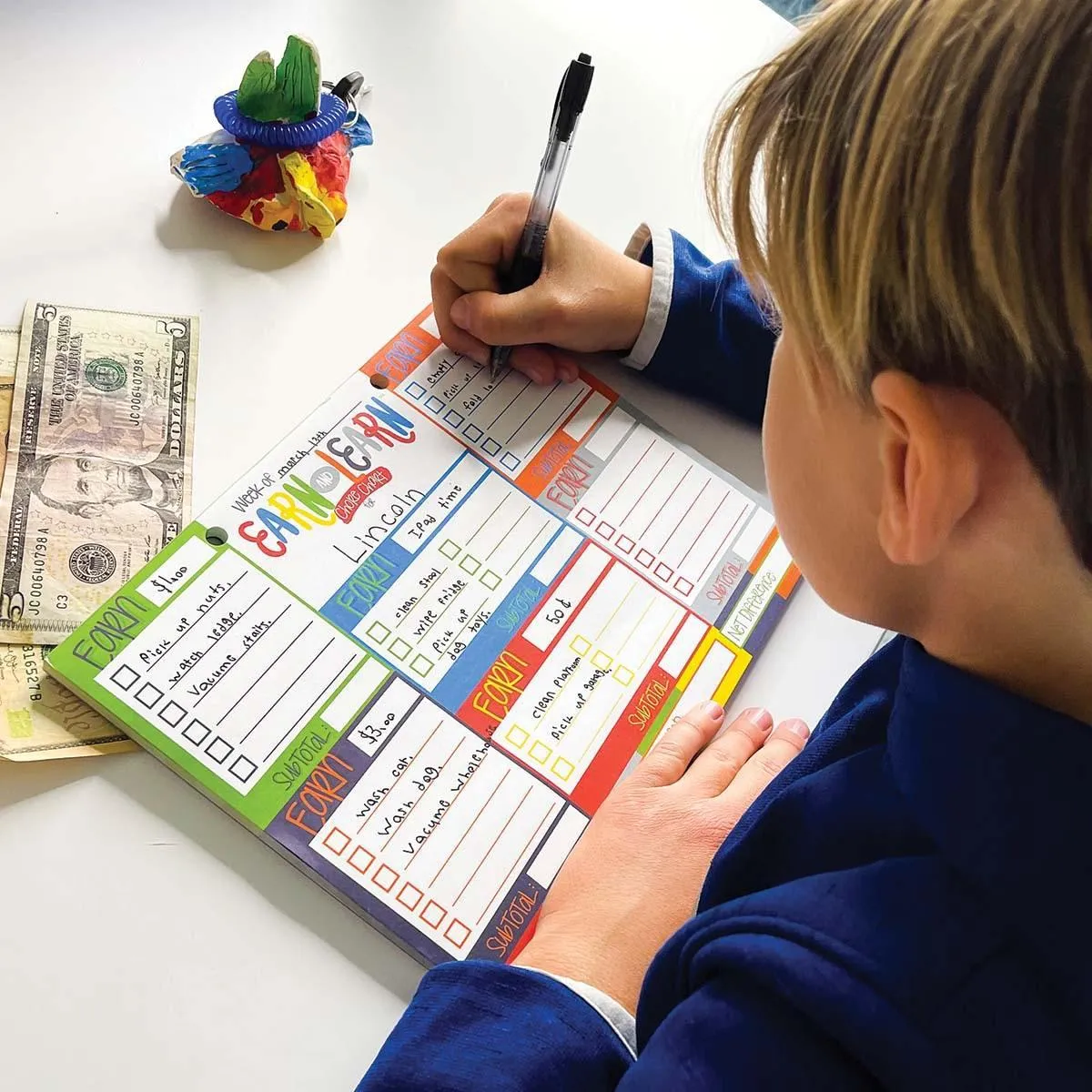
Chore Chart vs. Allowance: Which Teaches Kids Better Money Habits?
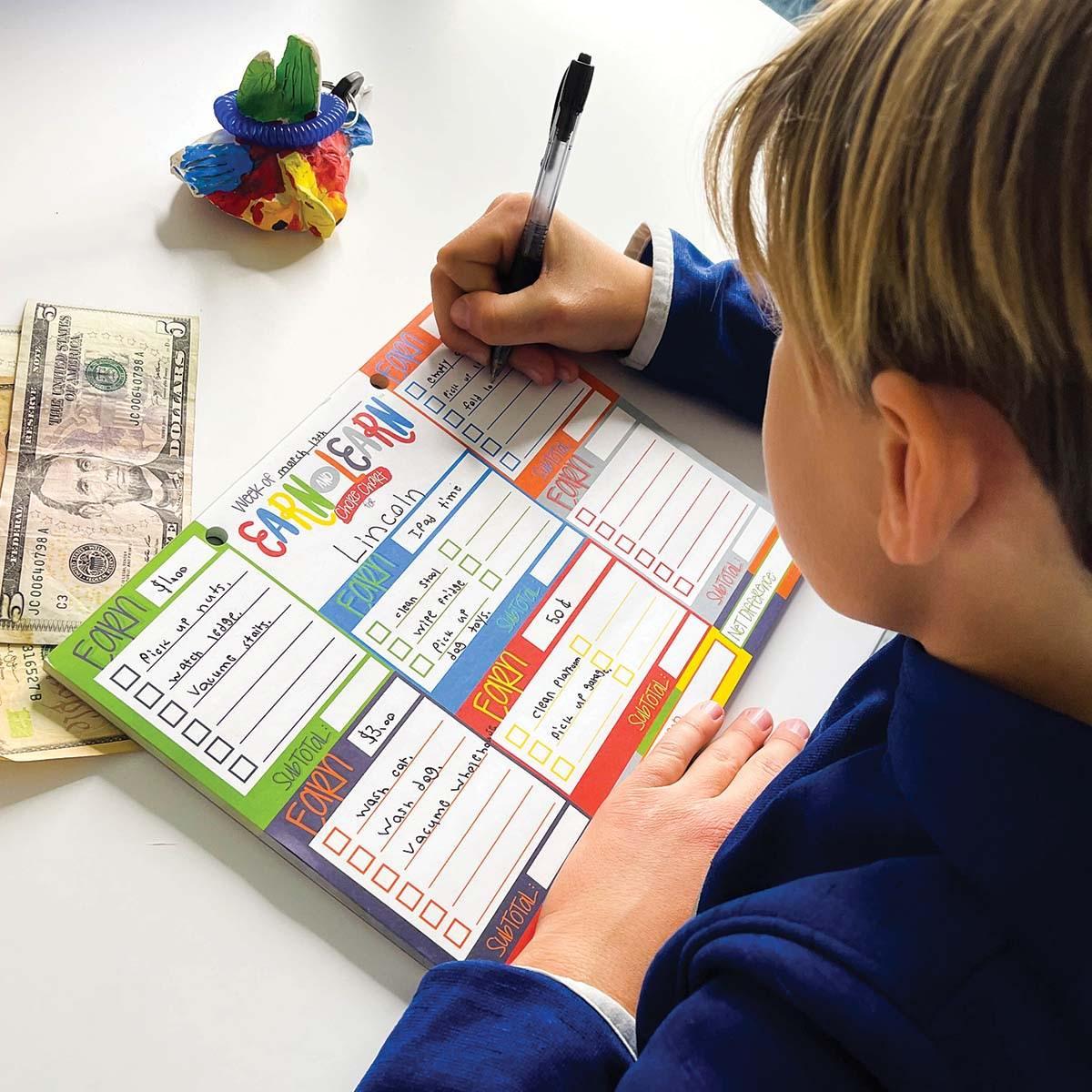
Chore Chart vs. Allowance: Which Teaches Kids Better Money Habits?
Should children receive an allowance for doing chores, or should household responsibilities be separate from money? Many parents wonder which approach will help their children develop healthy financial habits.
The good news is that both chore charts and allowances can be useful. What matters most is how you explain earning, responsibility, and the choices children can make with money.
Here is how to decide what works for your family.
What Is the Difference Between a Chore Chart and an Allowance?
A chore chart is a way to track household responsibilities. It might include making the bed, putting away toys, feeding a pet, or helping set the table.
An allowance is money a child receives regularly or according to an agreed arrangement. Some families give an allowance regardless of chores, while others connect payment to specific extra tasks.
These approaches do not have to compete. You can use a chore chart to build responsibility and an allowance to create opportunities to practise money management.
Should Kids Get Paid for Chores?
There is no single rule that works for every family.
Some parents prefer children to help with everyday household tasks because everyone contributes to family life. They might reserve payment for additional jobs, such as washing the car with supervision or helping organise a storage area.
Other families connect a small allowance to selected chores. This can help children understand that money may be earned through work, but it also requires clear expectations.
Whichever approach you choose, explain the rules in advance and apply them consistently.
A practical approach: Separate basic family responsibilities from optional paid jobs. This lets children learn both cooperation and the connection between effort and earning.
How to Use an Allowance to Teach Money Skills
Simply giving a child money does not automatically teach them how to manage it. Children need opportunities to make decisions and reflect on the results.
Try these steps:
1. Agree on a simple plan
Explain how much money your child will receive, when they will receive it, and whether any tasks are connected to it.
2. Set a savings goal
Help your child choose something they would like to save for. Write down its price and track how much they have saved.
3. Practise dividing money
Introduce three categories: saving for later, spending now, and sharing with others. Let your child help decide how to divide their money.
4. Let small mistakes become lessons
If your child spends all their money quickly, resist the urge to replace it immediately. Discuss what happened and what they might do differently next time.
The aim is to help children learn from manageable decisions while the stakes are still low.
How Can Parents Teach Kids That Money Must Be Managed?
Children ages eight to ten can begin learning that earning money is only one part of running a successful business or managing a budget.
For example, set up a pretend market at home. Your child could sell handmade bookmarks or play items, track the money received, and subtract the cost of supplies. If you introduce a pretend loan, explain that borrowed money must be repaid.
This helps children understand that sales are not the same as profit and that financial decisions involve trade-offs.
How Money Grows™ Builds on These Everyday Lessons
Money Grows™, part of the Ledger & Learn™ financial literacy curriculum, is an eight-week program designed for children ages eight to ten.
Its Maple Street Market simulation gives children opportunities to borrow a seed loan, run a market stall, track sales and costs, repay the loan, and explore a simple profit-and-loss statement.
It takes the idea of earning money beyond a basic chore chart and gives children structured practice with business decisions and financial records.
Explore the Money Grows™ course page to learn more about the program.
So, Which Is Better: A Chore Chart or an Allowance?
A chore chart helps children practise responsibility. An allowance can give them money to manage. Used thoughtfully, both can help children develop useful habits.
Instead of focusing only on whether chores should be paid, focus on what your child is learning: how money is earned, how to make choices, why saving matters, and how to plan.
The earlier children have safe opportunities to practise these skills, the more familiar financial decision-making can become.